< Back to blog

CIICA new report ‘Young Adults with CI Matter’

Posted in News

Our new report, Young Adults with CI Matter, looks at the data from our global survey from those implanted as children and now young adults. It adds the issues arising from their CIICA Conversations and the Global Advisory Group of Young People with CI to produce a unique comprehensive report from this pioneering group.

Download the Full Report,ÌýÌýand download theÌýBriefing,Ìý.

These young adults are the first to grow up who are deaf, hearingÌýwith their implants. They are highly satisfied, but concerned about ongoing support and costs. When you are implanted at a young age, there is a long lifetime of funded CI services needed.Ìý A responsibility for all!

I am so used to it I can’t do anything without my CI.

“I’ve always heard through a cochlear – so it’s all I know”
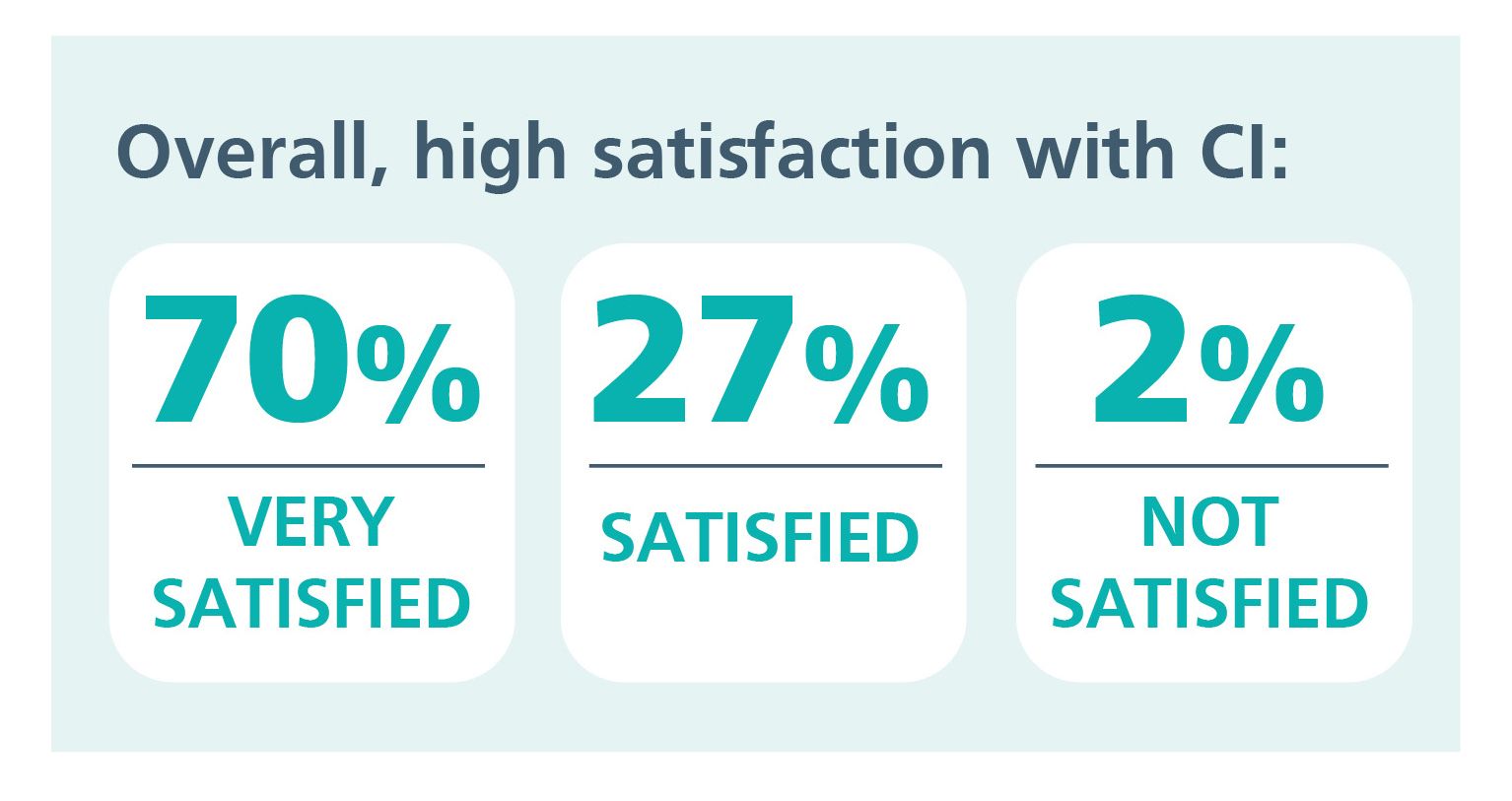
TheyÌýreportÌýthat 97% of these young peopleÌýexpressed overall satisfaction with their implants.

I am super satisfied!

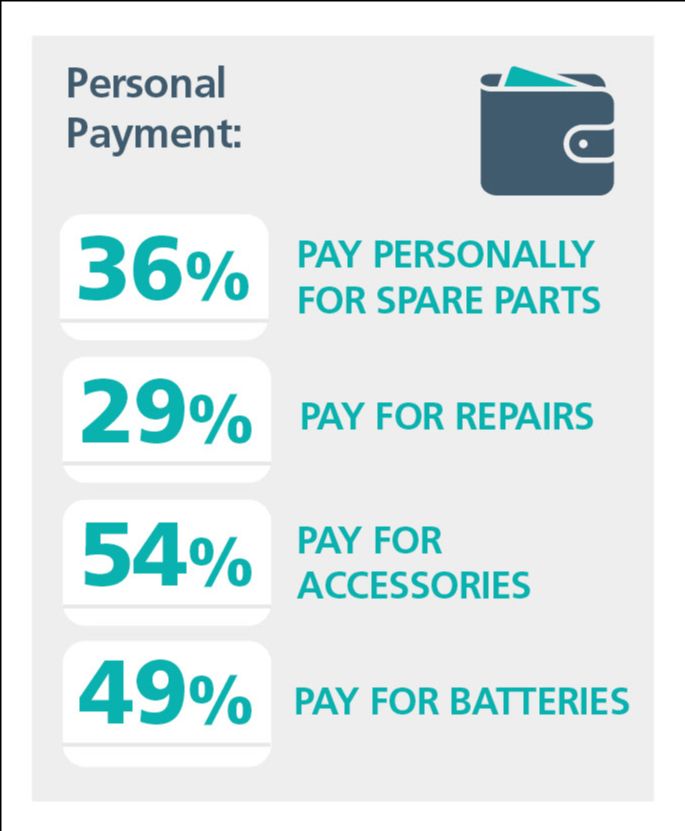
However, they are concerned about the high cost of devices, accessories and repairs and ongoing costs for technology support throughout their lifetime. 10% have no spares.

Now IÌýam 29 years old and had the same processor 20 years taking really good care of it. To replace is very expensive!

They want to broaden the current concepts of deafness includingÌýthose with CI.
A young person from Uganda…

CI has surely modernised the concept of deafness.Ìý

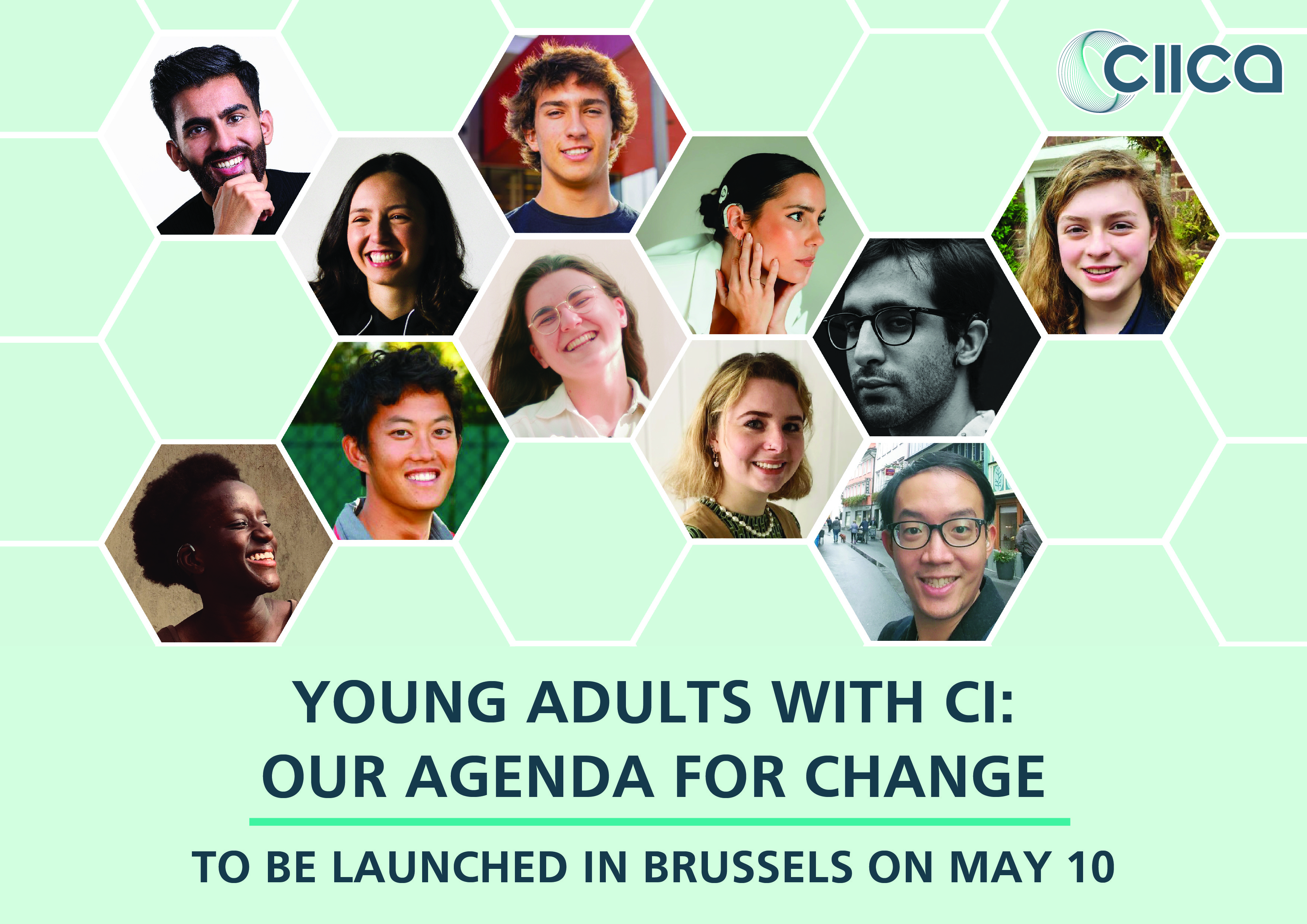
They propose the development of a new stakeholder group of young people to promote the benefits CI has brought and ensure theÌýchanges which could ensure lifelong hearing from CI, and full participation in society through their Agenda for Change.

Would you like to share our report with your network? Please share our social media post on Young Adults with CI MatterÌýfor use on each platform –Ìý,Ìý,ÌýÌý&Ìý

For further updates, explore more atÌý

A partnership between York University in Toronto, Canada and the Cochlear Implant International Community of Action (CIICA). Grant: Social Sciences and Humanities Research Council, Canada, via York University, Toronto. Thanks to AICE Foundation, Spain for their support too.